You know the quiet anticipation of the late-night bathroom routine. The bathroom tiles cool beneath your feet, the soft hum of the extractor fan, and the satisfying crinkle of a foil packet being torn open. For years, slipping a translucent, mint-flavoured strip across your teeth felt like a harmless shortcut to confidence.
But the landscape of at-home dentistry has abruptly shifted overnight. UK regulators have intervened firmly, pulling the plug on a quiet crisis unfolding in bathrooms across the country. The high-strength, imported whitening strips that flooded social media feeds and online marketplaces are now subject to an immediate ban.
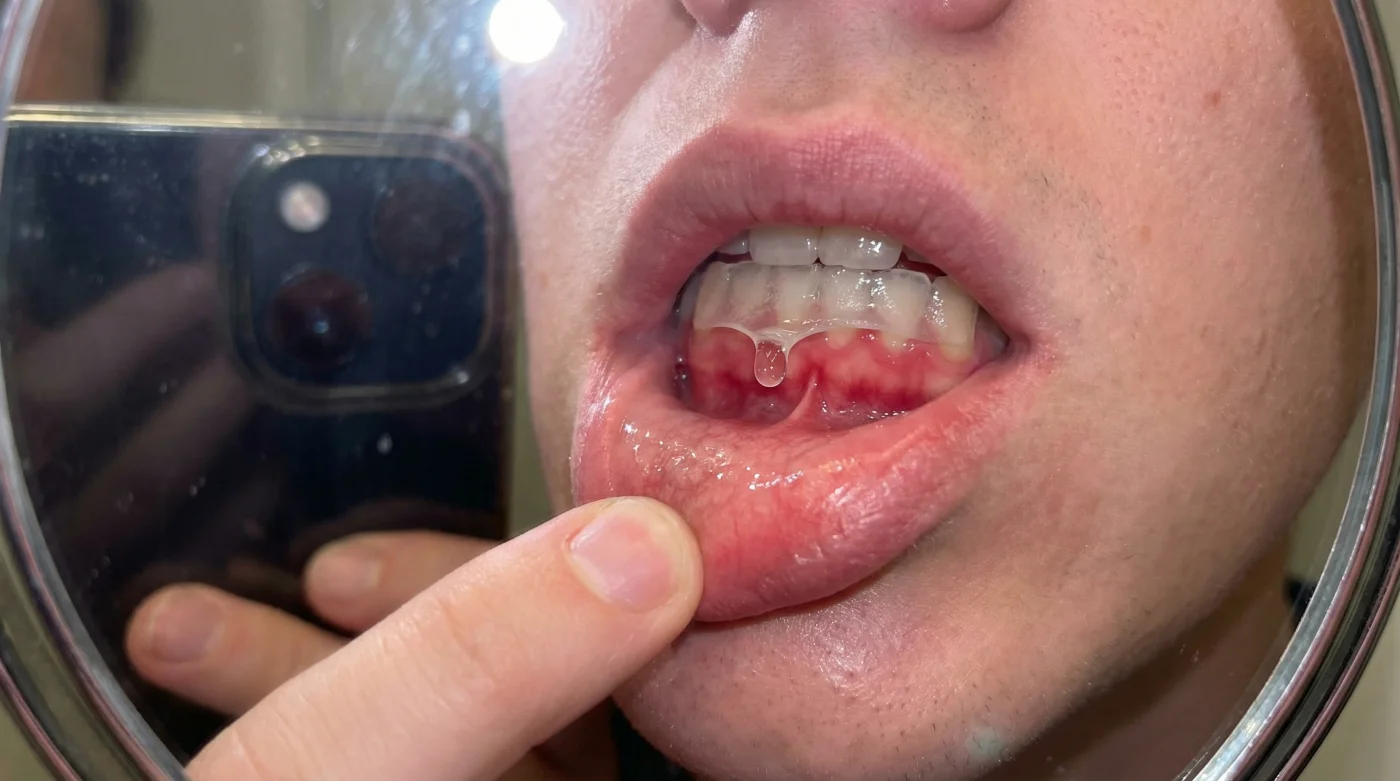
The promise was always intoxicating: professional-grade brilliance delivered through the letterbox for thirty quid. Yet beneath that bright allure lay a volatile chemical reality. The authorities have sounded the alarm on severe chemical burns, irreversible enamel erosion, and blistered gums directly linked to these unregulated imports.
It leaves you standing at the sink with a vital question. When the quickest fix is suddenly off the table, how do you proceed safely without abandoning the pursuit of a brighter smile? The answer requires stepping away from aggressive bleaching and understanding the delicate ecosystem inside your mouth.
Rethinking the Bleach Barrier
Think of your tooth enamel not as solid porcelain, but as a densely woven biological fabric. When you apply aggressive, unregulated peroxide to this fabric, you aren’t just lifting stains; you are actively stripping away the protective lacquer that keeps the tooth alive and insulated.
The shift in mindset happens when you realise gentle preservation outperforms aggressive bleaching. The sudden absence of these high-strength strips isn’t a limitation imposed by regulators; it is a vital protective boundary. Those blindingly fast results were masking tiny, microscopic fractures in your enamel and leaving your soft tissues vulnerable to caustic chemical burns.
We have been conditioned to associate physical sensation with efficacy. The slight sting or persistent ache after peeling off a whitening strip was often brushed aside as the necessary cost of beauty. True oral care, however, operates silently. If a product hurts, it is causing trauma, not a transformation.
Consider the recent findings of Dr Sarah Jenkins, a 42-year-old restorative dentist operating out of a bustling clinic in Leeds. Over the past eighteen months, she noticed a sharp spike in patients presenting with what looked like scalding on their gum lines. “Patients were silently enduring agony,” she noted, tracing the damage back to imported strips boasting peroxide levels up to thirty times the UK legal limit. Her clinic became a triage centre for chemical burns rather than a space for cosmetic enhancement, prompting her to spearhead the data collection that ultimately forced regulatory hands.
Navigating the New Safe Standards
The ban dictates a return to regulated, predictable formulas. Over-the-counter products in the UK are legally capped at 0.1% hydrogen peroxide. This might sound minuscule compared to the banned imports, but within this safety net, there are entirely different ways to approach the task depending on your specific biology.
For the Enamel-Sensitive Purist: If your teeth ache at the mere thought of a cold drink, abandon peroxide entirely. Your focus should shift to enzymatic toothpastes containing papain (derived from papaya) or bromelain. These enzymes dissolve the protein pellicle on the tooth where stains grip, gently lifting discolouration without compromising the structural integrity of your enamel.
- Snail mucin applied before exfoliating toners blocks essential cell turnover
- UK regulators announce immediate ban on imported high-strength whitening strips
- New clinical sports study warns against popular high-intensity pilates routines
- The exact timeline you should follow for nighttime flossing and brushing
- The alarming reason your daily SPF 50 is failing to prevent new sunspots
For the Professional Seeker: If you crave the dramatic lift that the banned strips falsely promised, you must bridge the gap to professional care. A dentist can prescribe a 6% hydrogen peroxide gel to be used in a custom-moulded tray. Because the tray is tailored to your exact gum line, the active gel never touches your soft tissues, entirely eliminating the risk of the chemical burns currently plaguing the unregulated market.
The Minimalist Restorative Routine
Rebuilding your approach means treating your mouth with the same respect you would afford a sensitive, healing wound. It is about steady, mindful habits rather than harsh, overnight assaults.
Adopt a phased, protective ritual that works with your body’s natural remineralisation process.
- Wait thirty minutes after eating acidic foods or drinking coffee before brushing, allowing your saliva to neutralise mouth acids and re-harden the enamel.
- Use a pea-sized amount of hydroxyapatite toothpaste. This compound mimics the natural mineral composition of your teeth, actively patching microscopic scratches rather than merely bleaching them.
- Apply gentle, circular motions with a soft-bristled brush. Scrubbing furiously back and forth aggressively wears down the gum line, exposing the yellower dentin beneath.
- Spit, but do not rinse. Leaving the residue of a protective, fluoride or hydroxyapatite paste to sit on the teeth overnight ensures hours of active repair.
Reclaiming the Health Behind the Smile
This regulatory intervention serves as a quiet wake-up call. It forces us to examine why we were willing to paint our mouths with unknown, caustic chemicals ordered on a whim just to fit an artificial aesthetic standard. A truly attractive smile is fundamentally rooted in its health, not just its wattage.
Your teeth are living structures, deeply connected to your bloodstream and nervous system. By stepping away from the risky allure of high-strength, imported shortcuts, you are choosing longevity over a fleeting, brittle brightness.
When you smile now, it won’t be a mask of chemically compromised enamel. It will be the reflection of a cared-for, resilient, and naturally vibrant system that you have protected for the long haul.
An authentic smile relies on the strength of the foundation beneath it; protect the enamel, and the brightness will naturally follow.
| Key Point | Detail | Added Value for the Reader |
|---|---|---|
| Regulatory Ban | Imported strips containing high unregulated peroxide levels are strictly prohibited. | Protects you from severe chemical burns and irreversible gum damage. |
| Enzymatic Whitening | Using papain or bromelain to dissolve the protein pellicle. | Lifts daily stains gently without causing temperature sensitivity. |
| Hydroxyapatite Pastes | Minerals that mimic the natural tooth composition to patch micro-scratches. | Strengthens the tooth surface, making it naturally more reflective and resilient. |
| Custom Dental Trays | Professional 6% peroxide applied only to the tooth surface. | Offers noticeable brightening safely, keeping chemicals strictly off soft tissues. |
Frequently Asked Questions
Are all whitening strips banned in the UK?
No, only unregulated, imported strips containing high concentrations of hydrogen peroxide. Strips adhering to the strict 0.1% UK legal limit remain available and safe.How do I know if my current strips are safe?
Check the packaging for a clear CE or UKCA mark and ensure the listed hydrogen peroxide content does not exceed 0.1%. If it was imported directly without UK distributor details, discard it.Can I heal gum burns caused by old whitening strips?
Minor irritation often resolves within a few days by maintaining gentle oral hygiene and avoiding spicy or acidic foods. Severe burns or blistering require immediate consultation with a dentist.Do enzymatic toothpastes work as well as bleach?
They operate differently. Enzymes will not change the natural shade of your teeth, but they are highly effective at dissolving surface stains from coffee, tea, and red wine over time.Why should I not rinse after brushing?
Rinsing washes away the active ingredients in your toothpaste. Spitting out the excess and leaving the residue allows minerals and fluoride to continually repair your enamel as you sleep.