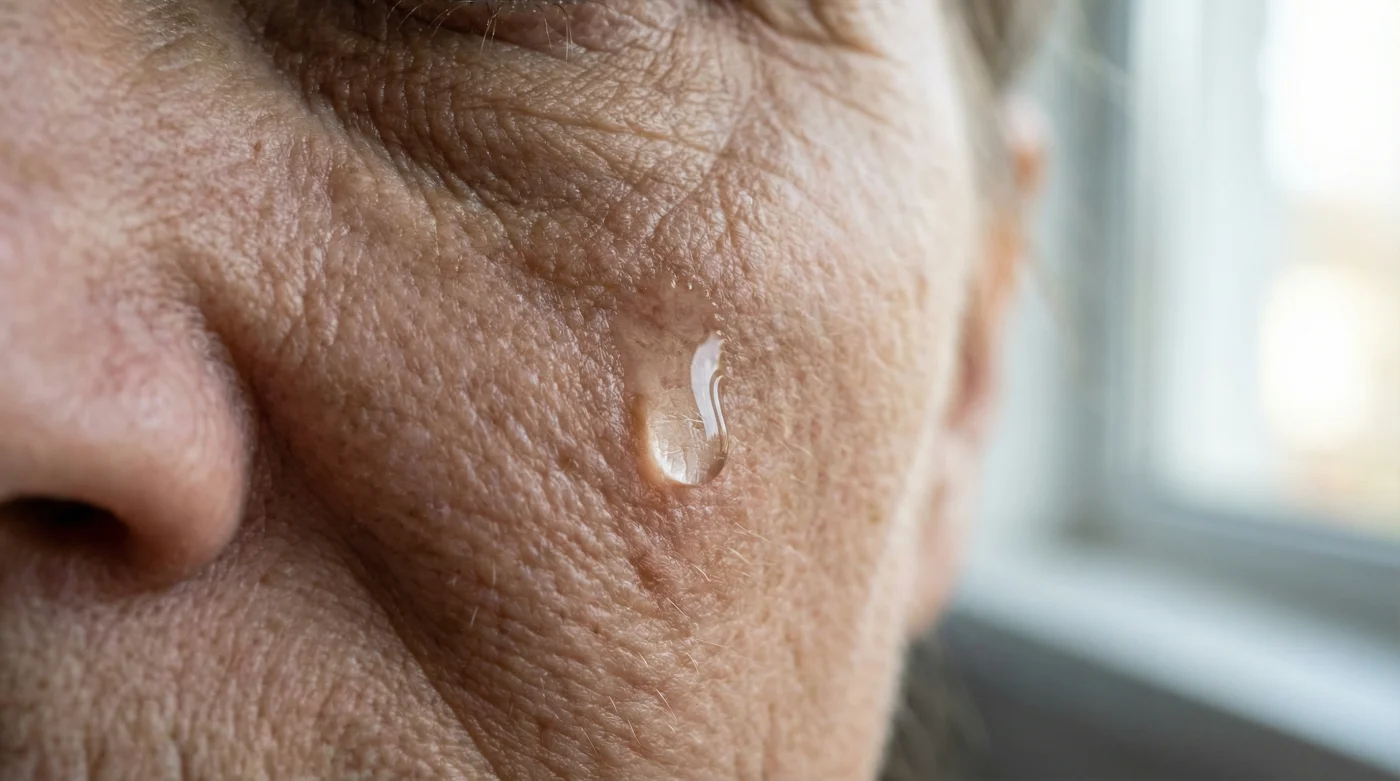
The central heating hums into life, rattling the ancient pipes in the hallway. You stand before the bathroom mirror, feeling a faint winter draught slipping through the window frame, and carefully press three drops of a much-praised serum into your cheeks. It feels slick and promising initially. Yet, by the time you reach the office, your face feels uncomfortably tight, resembling parchment stretched too firmly over a frame. You bought the hyaluronic acid because the glossy magazines promised a soft, plump complexion. Instead, your skin feels as though the moisture is being actively stolen from it.
The Physics of Thirst
The frustration you are feeling is entirely justified. For years, beauty counters have sold us a simple story: hyaluronic acid holds a thousand times its weight in water, acting as an infallible fountain of youth. But here lies the silent flaw in the daily routine. Think of the molecule not as a magic wand, but as a deeply pragmatic sponge. A sponge demands water from its immediate environment. In the damp warmth of a tropical summer, it draws moisture from the air and generously feeds it to your skin. However, in the biting chill of a UK winter, where our homes are effectively baked dry by central heating and our offices run aggressive climate control, there is simply no ambient moisture to harvest. When the sponge is starved, it turns inwards. It begins pulling hydration up from the deeper, living layers of your mature skin, evaporating it out into the dry room. This process is known as trans-epidermal water loss, and ironically, it accelerates the exact dehydration you are trying to prevent.
| Skin Environment | Hyaluronic Acid Behaviour | The Result for Mature Skin |
|---|---|---|
| Humid Outdoors (Summer) | Draws ambient water from the humid air. | Plump, comfortable, softened fine lines. |
| Dry Indoors (Central Heating) | Scavenges water from deep dermal reserves. | Tightness, flaking, accentuated wrinkles. |
| Air-Conditioned Offices | Rapid evaporation from the skin surface. | Dullness, sensitivity, and afternoon fatigue. |
I recall sitting in a small, quiet clinic in Edinburgh, listening to a seasoned aesthetician named Helen. She watched me outline my meticulous, expensive morning routine and offered a gentle, knowing smile. ‘You are treating your face like a sealed glass jar,’ she told me, ‘but mature skin is a porous fabric. If you do not give the acid water to hold onto, it will aggressively take it from your own reserves. You are paying good money to dehydrate yourself.’ It was a fundamental shift in perspective that changed my entire approach to morning care.
| Molecular Weight | Penetration Level | Mechanical Logic |
|---|---|---|
| High Molecular Weight | Sits on the surface layer. | Forms a breathable film but evaporates swiftly in dry indoor air. |
| Low Molecular Weight | Sinks deeper into the epidermis. | Can cause low-level irritation if it pulls moisture away from delicate living cells. |
| Cross-linked Polymers | Gradual surface release over hours. | Offers sustained hydration, but absolutely requires an external moisture source to function. |
The Damp Seal Method
Fixing this routine error requires a tactile, physical change to your morning rhythm. You must provide the water yourself, and crucially, you must build a protective wall. Start by cleansing your face as you normally would, but do not reach for the cotton towel. Your skin should be noticeably damp, almost glistening with tepid tap water or a simple hydrating mist.
While your face is still visibly wet, gently press the hyaluronic acid into your cheeks, forehead, and neck. You will immediately feel a slight slip as the serum binds with the surface water. You are essentially offering the sponge a drink before it rests on your skin.
Now comes the non-negotiable step. Before the skin has a chance to dry in the draughty bathroom air, you must apply a thick, occlusive moisturiser. This cream acts as a physical lid, trapping the hydration and preventing the dry room from stealing it back.
- New UK cosmetic regulations restrict popular over-the-counter retinol serum concentrations
- NHS hormone replacement therapy shortages force immediate prescription rationing across Britain
- Unrinsed micellar water silently destroys the lipid barrier during menopause
- Daily biotin capsules disguise crucial thyroid blood test results in women
- High-strength niacinamide serums trigger severe inflammatory reactions on ageing complexions
| The Quality Checklist | What To Look For | What To Avoid |
|---|---|---|
| The Sealing Layer (Occlusive) | Squalane, ceramides, natural shea butter. | Oil-free summer gels, high denatured alcohol content. |
| The Hydrator (Humectant) | Glycerin, panthenol formulated alongside the HA. | Pure HA serums with zero supporting humectants. |
| The Application Surface | Freshly misted, wet, or recently washed skin. | Towel-dried, completely bare, tight-feeling skin. |
A Kinder Morning Rhythm
Understanding this mechanical reality changes more than just the physical texture of your cheeks; it shifts your entire relationship with your daily routine. You are no longer fighting your age or applying expensive liquids in a state of quiet desperation. Instead, you are actively working with your environment, responding thoughtfully to the specific needs of your body on a frosty British morning.
When you apply the damp seal method, that familiar afternoon tightness simply fades away. Your face feels sheltered, robust, and beautifully comfortable throughout the day. You are finally giving your mature skin exactly what it needs to face the cold, allowing you to step out the door with quiet confidence.
‘Skincare is not about enforcing a harsh product onto your face; it is about thoughtfully managing the micro-climate directly above your skin.’
Frequent Frustrations, Addressed
Should I throw away my expensive hyaluronic acid serum?
Absolutely not. The product itself is not broken; the application method is. Simply change how you layer it by ensuring water and an occlusive are present.Does this rule apply to the summer months as well?
Yes, though it is slightly less critical in naturally humid environments. Even in summer, an air-conditioned office will strip moisture just as aggressively as winter heating.What exactly is an ‘occlusive’ moisturiser?
It is a cream that creates a physical barrier over the skin. Think of heavy, comforting ingredients like plant oils, ceramides, or squalane that stop evaporation in its tracks.Can I just use tap water to dampen my face before applying?
Tap water works perfectly well. However, if you live in a region with particularly hard water, a basic thermal spring water mist might feel kinder and softer on mature skin.Why does my skin feel slightly sticky after applying HA to wet skin?
You might be using slightly too much product. Two to three drops are entirely sufficient when they are spread across a damp surface, allowing for smooth absorption without residue.